RCE - Remote Code Execution
Introduction
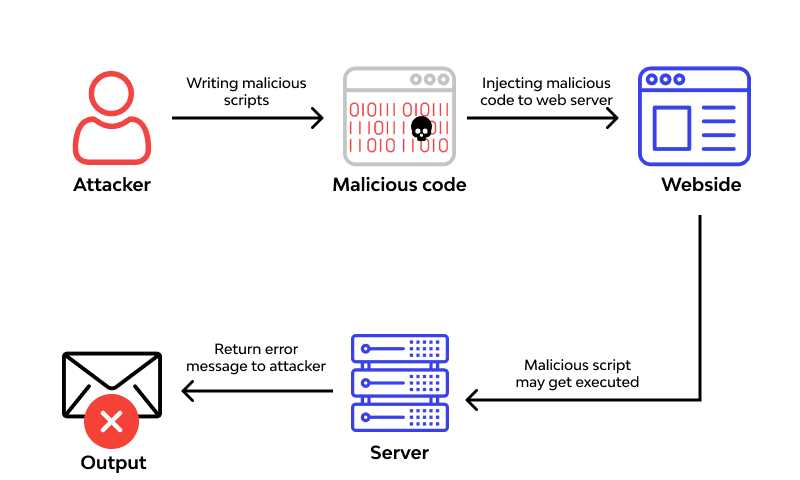
Remote code execution (RCE) is a cyberattack that allows an attacker to run malicious code on a target system from a remote location by exploiting a security vulnerability. This can lead to a full system compromise, enabling attackers to steal data, deploy malware, or use the system to launch further attacks. Common methods include buffer overflows, insecure deserializatio, and SQL injection.
How it works
- Attackers identify a vulnerability in a system, such as a web application or operating system.
They exploit this vulnerability, which often involves sending malicious input that the system doesn't handle properly.
This input can be used to inject and execute their own code as if they were physically at the machine.
The vulnerability can allow them to take control of the system without needing any prior access or authentication.
Common methods
Buffer Overflow:
This occurs when a program tries to write data to a buffer but exceeds its allocated memory size, overwriting adjacent memory. An attacker can exploit this to inject and execute their own code.
Insecure Deserialization:
When an application processes data that has been serialized (converted into a string for transmission), an attacker can provide malicious data that the application misinterprets and executes.
SQL Injection:
This involves inserting malicious SQL statements into input fields to trick the application into executing unintended commands, which can be used to access or steal data.
Consequences
Data Theft:
Attackers can steal sensitive information, such as user credentials and financial data.
Malware Deployment:
They can install malware, such as ransomware or backdoors, to maintain access or cause damage.
System Compromise:
RCE can give attackers complete control over the affected system, allowing them to disable it or use it as a pivot to attack other systems on the network.
How to protect against RCE
Keep software updated:
Apply security patches for your operating system, applications, and firmware as soon as they become available.
Sanitize user input:
Always validate and sanitize all data that comes from users or external sources to prevent injection attacks.
Use security solutions:
Implement firewalls and other security tools like Endpoint Detection and Response (EDR) platforms that can detect and block RCE attempts.
Use secure coding practices:
Developers should avoid using functions like
eval()(in PHP/JavaScript) without proper input validation, as this can create RCE vulnerabilities.