Daily Hack #day55 - Node.js Event Emitter
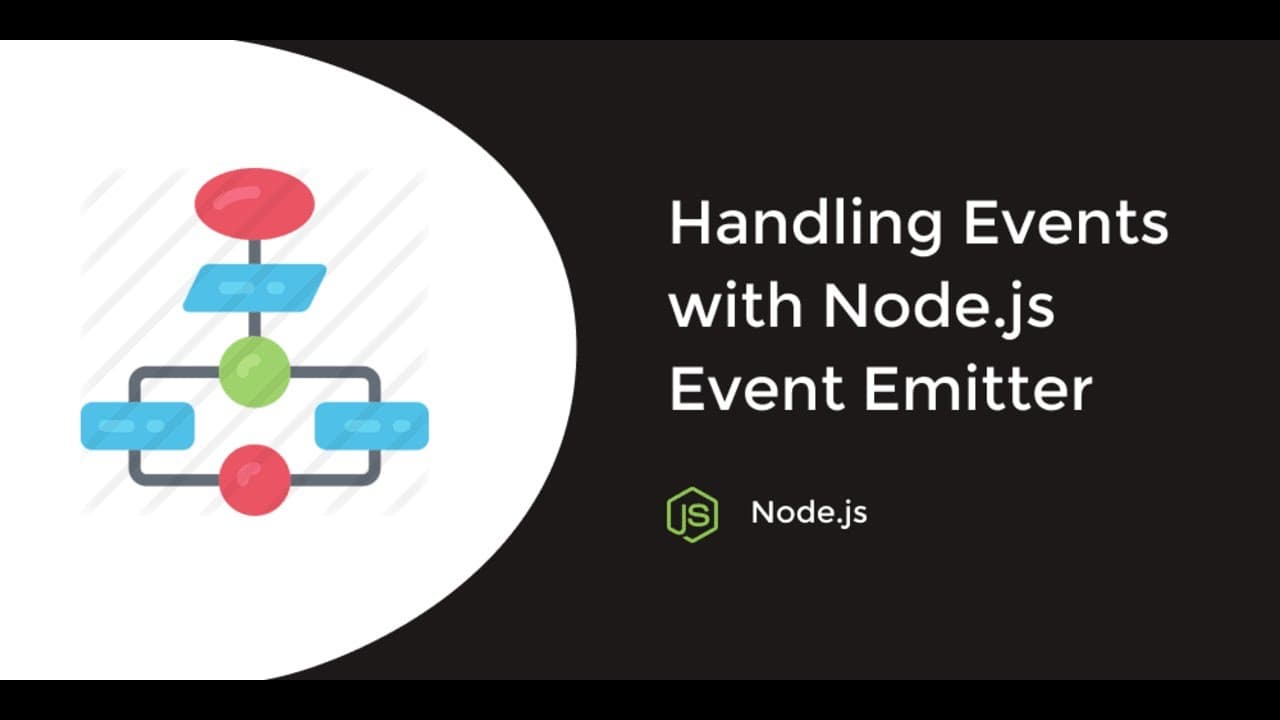
The Node.js EventEmitter is a core module that provides a mechanism for handling asynchronous events in a Node.js application. It allows objects (called emitters) to emit named events and for functions (called listeners) to be registered to respond to these events. This pattern is fundamental in Node.js, enabling non-blocking, event-driven programming.
Key Features of Node.js EventEmitter:
Event Emission:
- Emitters can generate events using the
emitmethod. - Example:
emitter.emit('eventName', arg1, arg2, ...)emits an event namedeventNamewith optional arguments.
- Emitters can generate events using the
Event Listening:
- Listeners can be attached to events using the
onmethod. - Example:
emitter.on('eventName', listener)registers a listener function for theeventNameevent.
- Listeners can be attached to events using the
Once Listeners:
- Listeners that are intended to be called only once can be registered using the
oncemethod. - Example:
emitter.once('eventName', listener)registers a listener that will be called only the first time theeventNameevent is emitted.
- Listeners that are intended to be called only once can be registered using the
Removing Listeners:
- Listeners can be removed using the
removeListeneroroffmethod. - Example:
emitter.removeListener('eventName', listener)removes a specific listener for theeventNameevent.
- Listeners can be removed using the
Listener Count:
- The number of listeners registered for a particular event can be obtained using the
listenerCountmethod. - Example:
EventEmitter.listenerCount(emitter, 'eventName')returns the number of listeners for theeventNameevent.
- The number of listeners registered for a particular event can be obtained using the
Example Usage:
const EventEmitter = require('events');
const emitter = new EventEmitter();

// Register an event listener
emitter.on('greet', (name) => {
    console.log(`Hello, ${name}!`);
});

// Emit the event
emitter.emit('greet', 'Alice');  // Output: Hello, Alice!

// Register a once listener
emitter.once('welcome', (name) => {
    console.log(`Welcome, ${name}!`);
});

// Emit the event
emitter.emit('welcome', 'Bob');  // Output: Welcome, Bob!
emitter.emit('welcome', 'Charlie');  // No output, as the listener is called only once
Benefits of Using EventEmitter:
- Asynchronous Handling: Facilitates non-blocking event-driven architecture, allowing applications to handle multiple tasks concurrently.
- Decoupling: Promotes loose coupling between different parts of the application by allowing them to communicate through events rather than direct method calls.
- Flexibility: Supports various patterns and use cases, such as handling user inputs, network events, and custom application events.
The EventEmitter class is central to many Node.js modules and applications, providing a robust foundation for managing asynchronous events and building scalable, maintainable code.
To run the code in the example provided above, follow these steps:
Install Node.js: Ensure that Node.js is installed on your system. You can download and install it from the official Node.js website.
Create a Project Directory: Create a new directory for your project and navigate into it using the terminal or command prompt.
mkdir cloud-tuned-event-emitter-example cd cloud-tuned-event-emitter-example- Initialize a Node.js Project:
Initialize a new
Node.jsproject by creating apackage.jsonfile. You can do this manually or by running the following command:npm init -y - Create the Script File:
Create a new JavaScript file (e.g.,
index.js) in your project directory and open it in your text editor.touch index.js - Write the Code:
Copy and paste the provided code provided earlier into your
index.jsfile. - Run the Code:
Execute the script using
Node.jsby running the following command in your terminal or command prompt:node index.js - Observe the Output:
You should see the following output in your terminal:
Hello, Alice!
Welcome, Bob!
Explanation of Steps:
Step 1: Ensures you have Node.js installed, which is required to run JavaScript outside a web browser.
Step 2: Sets up a new directory for your project.
Step 3: Initializes the project and creates a package.json file, though it’s not strictly necessary for this simple example.
Step 4: Creates the JavaScript file where you will write your code.
Step 5: Contains the code for creating and using the EventEmitter instance.
Step 6: Runs the script using the Node.js runtime.
Step 7: Confirms the expected output of the code.
Following these steps will allow you to execute the example code and see how the Node.js EventEmitter works in practice.